The History of Pierogies in Pittsburgh
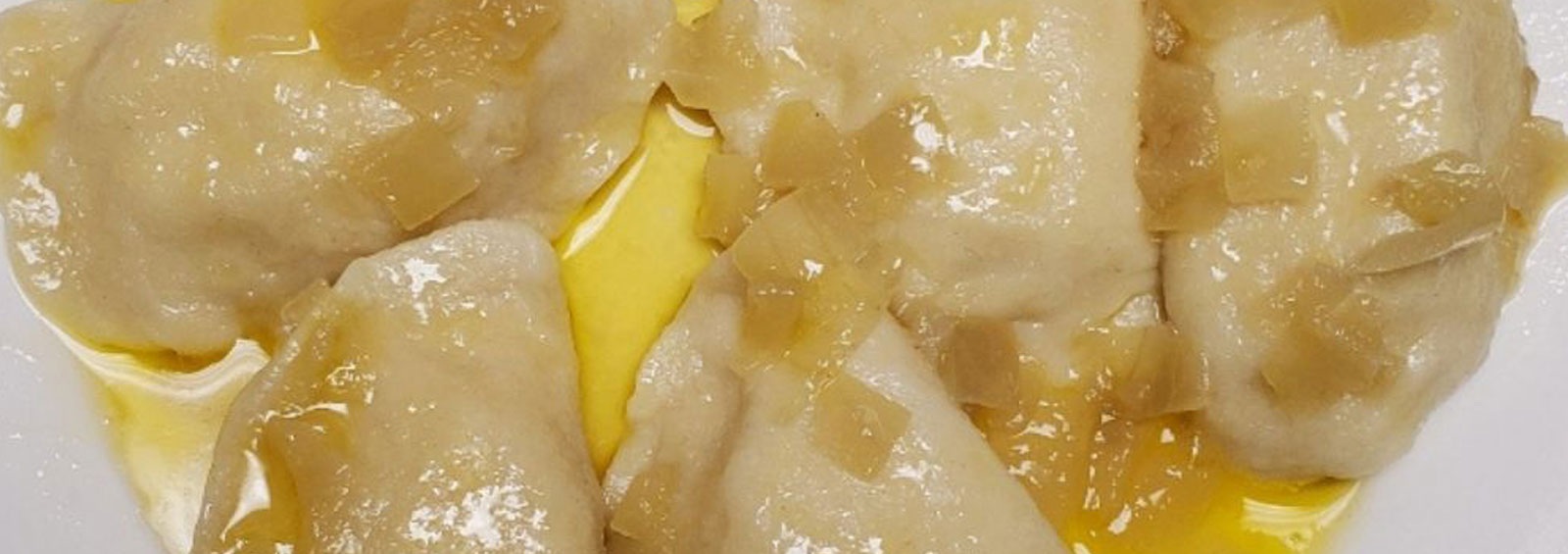
Pittsburgh and pierogies go hand in hand. In this city of bridges, steel, and proud traditions, few foods carry as much cultural weight—or comfort—as these humble dumplings. Whether served at church festivals, family tables, or local favorites like Lviv European Kitchen, pierogies are more than just a meal here—they’re a piece of history.
To understand why pierogies matter so much in Pittsburgh, you have to go back to the late 19th and early 20th centuries. As the steel industry boomed, the city became a magnet for those seeking work and opportunity.
Many of those newcomers came from Eastern Europe—Poland, Ukraine, Slovakia, and beyond. They brought with them their languages, customs, and, of course, their food.
Among those traditions were pierogies (or varenyky in Ukrainian culture): simple dumplings filled with potatoes, cheese, cabbage, or meat. They were inexpensive, filling, and perfect for feeding large families—ideal for hardworking communities building a new life.
From Home Kitchens to Church Basements
In those early days, pierogies weren’t something you’d find in restaurants. They were made at home, often as a group activity. Families would gather around the table, rolling dough, adding fillings, and sealing each dumpling by hand.
Soon, churches and community halls became central to keeping the tradition alive. Pierogies were sold during festivals, fundraisers, and holidays—especially during Lent and Christmas.
Even today, church pierogi sales are a Pittsburgh staple, drawing long lines of locals eager for a taste of tradition.
A Working-Class Comfort Food
Pierogies became deeply tied to Pittsburgh’s identity as a working-class city. After long shifts in mills and factories, workers needed meals that were hearty, affordable, and satisfying.
Pierogies delivered all three:
- Filling enough to sustain hard labor
- Made from simple, accessible ingredients
- Easy to prepare in large batches
Over time, they became a symbol of resilience and community—food that brought people together after long days and during tough times.
From Tradition to City Icon
As Pittsburgh evolved, so did its relationship with pierogies. What started as an immigrant staple grew into a citywide favorite.
You’ll now find pierogies:
- On restaurant menus across the region
- At food festivals and street fairs
- At sporting events and tailgates
In fact, pierogies are so beloved that they’ve even become part of the city’s sports culture, with racing pierogi mascots entertaining fans at games.
Keeping the Tradition Alive
While pierogies are everywhere now, places like Lviv European Kitchen play an important role in preserving their authenticity.
These kitchens stay true to the roots of the dish:
- Handmade preparation
- Traditional recipes
- Flavors that reflect Eastern European heritage
In a world of fast food and shortcuts, they remind us what pierogies are meant to be—simple, comforting, and made with care.
More Than Just Food
Pierogies in Pittsburgh aren’t just about taste—they’re about memory and identity.
They remind people of:
- Grandparents teaching recipes
- Holiday meals shared with family
- Community gatherings filled with laughter
Even for those without Eastern European roots, pierogies have become part of the shared culture of the city—a food that welcomes everyone.
The story of pierogies in Pittsburgh is really the story of its people: hardworking, diverse, and deeply connected to family and tradition.
From ethnic kitchens to modern-day restaurants like Lviv European Kitchen, pierogies have stood the test of time—not because they’ve changed, but because they haven’t needed to.
They’re simple. They’re hearty. And in Pittsburgh, they’re home.